
Truecare Multi-speciality Hospital, Kolar
Eye specialist in Kolar
Ophthalmology focuses on the health of the eyes and visual system.
About Ophthalmology
Eye care includes the diagnosis and management of vision problems, eye infections, age-related eye conditions and other disorders that may affect eyesight.
Regular eye examinations can help identify problems early and support long-term eye health.
Conditions We Treat
- Refractive Errors: Evaluation of short-sightedness, long-sightedness and astigmatism that affect clear vision.
- Cataracts: Assessment of clouding of the natural lens of the eye, which can cause blurred vision.
- Glaucoma: Evaluation of eye conditions that can damage the optic nerve and affect vision.
- Conjunctivitis: Assessment of eye redness, irritation and inflammation of the conjunctiva.
- Dry Eyes: Evaluation of burning, irritation, discomfort and insufficient tear production.
- Eye Allergies: Assessment of itching, redness and watering caused by allergic reactions.
- Diabetic Eye Problems: Evaluation of eye complications associated with diabetes.
- Age-Related Vision Changes: Assessment of changes in eyesight associated with ageing.
- Eye Infections and Inflammation: Evaluation of infections and inflammatory conditions affecting different parts of the eye.
When Should You See an Eye Doctor?
Consider consulting an ophthalmologist if you experience:
- Blurred or reduced vision.
- Frequent headaches associated with visual tasks.
- Eye redness or irritation.
- Persistent itching or watering.
- Eye pain or discomfort.
- Difficulty seeing clearly at night.
- Increased sensitivity to light.
- Sudden changes in vision.
- Difficulty reading or focusing.
- Diabetes-related concerns about eye health.
Regular eye examinations are especially important for people with diabetes and those at risk of glaucoma.
Emergency Warning Signs
Seek immediate emergency eye care if you experience:
- Sudden loss or significant reduction of vision.
- Sudden flashes of light, many new floaters or a curtain-like shadow across your vision.
- Severe eye pain accompanied by headache, nausea or blurred vision.
- Chemical exposure to the eye.
- A penetrating eye injury or serious trauma.
- Sudden double vision accompanied by neurological symptoms.
- Sudden vision changes following an injury.
For chemical exposure, immediately rinse the eye with clean running water and seek emergency medical attention. Do not delay rinsing while arranging care.
What Happens During Your First Visit?
Your first consultation generally includes:
- Medical History: Discussion of vision problems, previous eye conditions, diabetes and current medications.
- Vision Assessment: Evaluation of visual clarity and eyesight.
- Eye Examination: Examination of the external and internal structures of the eyes as appropriate.
- Investigations: Depending on symptoms, the doctor may recommend eye pressure measurement, retinal examination or other tests.
- Treatment Guidance: The doctor will explain the findings and recommend suitable treatment, medication or further evaluation.
What should you bring?
- Previous eye examination reports.
- Existing spectacles or contact lens prescription.
- Previous eye surgery records.
- Diabetes-related medical records, if applicable.
- Details of current medications and allergies.
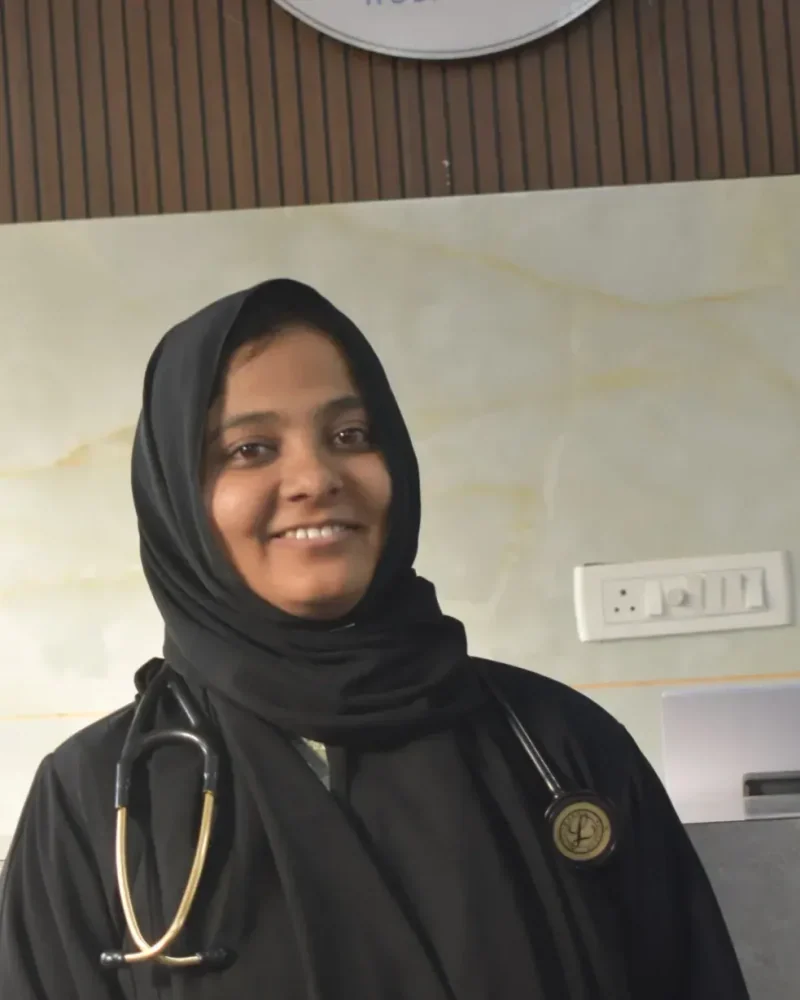
Who is the doctor for Ophthalmology?
Please confirm the doctor’s availability and consultation timings before visiting.
Frequently Asked Questions
How often should I get my eyes checked?
The recommended frequency depends on your age, medical history, vision and risk factors. People with diabetes or existing eye conditions may need more frequent examinations.
Can diabetes affect eyesight?
Yes. Diabetes can damage the blood vessels in the retina and cause diabetic retinopathy. Regular eye examinations help detect these changes early.
What are the common symptoms of cataracts?
Cataracts may cause blurred vision, glare from lights, faded colours and difficulty seeing clearly at night.
Can glaucoma be detected early?
Yes. Eye examinations, including eye pressure measurement and optic nerve assessment, can help detect glaucoma before significant vision loss occurs.
Are red eyes always caused by an infection?
No. Red eyes can result from infections, allergies, dryness or irritation. An eye examination can help identify the cause.
Can wearing spectacles make eyesight weaker?
No. Correctly prescribed spectacles do not weaken the eyes. They help focus light properly and improve vision.
Book a Ophthalmology consultation in Kolar
Truecare Multi-speciality Hospital, C.B. Pur Main Road, Arahalli Gate, Kolar, Karnataka 563101. For appointments, specialist consultations and enquiries, call or WhatsApp +91 63601 66366. In a life-threatening emergency, seek immediate medical help.