
Truecare Multi-speciality Hospital, Kolar
Child specialist in Kolar
Paediatrics focuses on the health and development of babies, children and adolescents.
About Paediatrics
From newborn care and childhood infections to nutrition, growth and developmental assessments, paediatric care supports children at different stages of their development.
At TrueCare Hospitals, parents can seek medical advice for common childhood illnesses and concerns about their child's health and development.
Conditions We Treat
- Childhood Fever: Evaluation of fever and associated symptoms in infants and children.
- Respiratory Infections: Assessment of cough, cold, throat infections and breathing-related illnesses.
- Digestive Problems: Evaluation of diarrhoea, vomiting, constipation and stomach discomfort.
- Nutritional Concerns: Assessment of poor appetite, nutritional deficiencies and feeding difficulties.
- Growth and Development: Monitoring physical growth and developmental milestones.
- Newborn Health Concerns: Evaluation of common newborn health issues and feeding-related concerns.
- Childhood Allergies: Assessment of common allergic symptoms and reactions.
- Skin Conditions: Evaluation of childhood rashes, eczema and other common skin concerns.
- Vaccination Guidance: Advice regarding age-appropriate childhood immunisations.
When Should You See a Paediatrician?
Consider consulting a paediatrician if your child experiences:
- Persistent or recurring fever.
- Frequent cough, cold or throat infections.
- Poor feeding or reduced appetite.
- Repeated vomiting or diarrhoea.
- Constipation or persistent abdominal discomfort.
- Poor weight gain or growth concerns.
- Delays in developmental milestones.
- Unusual skin rashes or allergic symptoms.
- Sleep or feeding difficulties.
- Concerns about newborn care.
Parents should seek medical guidance if they notice changes in their child's usual behaviour, feeding or activity levels.
Emergency Warning Signs
Seek immediate emergency care if your child experiences:
- Difficulty breathing or severe chest retractions.
- Blue or grey lips or skin.
- Seizures, especially a first seizure or a prolonged seizure.
- Unresponsiveness or difficulty waking.
- Severe dehydration, such as very little urine, unusual drowsiness or inability to drink.
- A fever of 38°C or higher in a baby younger than three months.
- A rapidly spreading purple or red rash that does not fade when pressed.
- Persistent vomiting with severe weakness or reduced responsiveness.
For infants, unusual drowsiness, poor feeding or breathing difficulties require urgent attention.
What Happens During Your First Visit?
Your child's first consultation generally includes:
- Medical History: Discussion of symptoms, birth history, feeding, vaccinations and previous illnesses.
- Growth Assessment: Measurement of weight, height or length and other age-appropriate growth parameters.
- Physical Examination: Examination of the child's general health and affected areas.
- Investigations: Blood tests, urine tests or other investigations may be recommended when necessary.
- Treatment and Guidance: The doctor will explain the diagnosis, treatment and any required follow-up.
What should parents bring?
- Previous medical records.
- Vaccination card.
- Birth and newborn records, if available.
- Previous prescriptions and test reports.
- Details of the child's feeding and symptoms.
- Information about any known allergies.
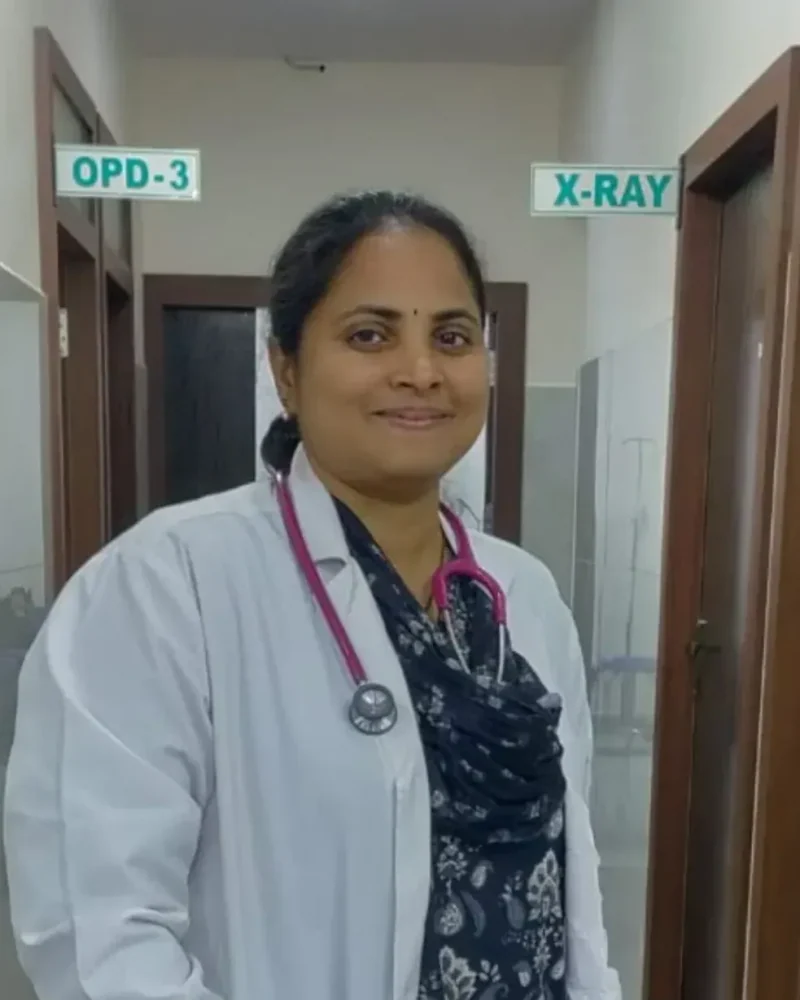
Who is the doctor for Paediatrics?
Please confirm the doctor’s availability and consultation timings before visiting.
Frequently Asked Questions
How often should my child visit a paediatrician?
Regular well-child visits help monitor growth, development and vaccinations. The recommended schedule depends on your child's age and health needs.
When should I worry about fever in my child?
Fever in babies younger than three months requires prompt medical assessment. In older children, seek care for breathing difficulty, unusual drowsiness, dehydration or persistent symptoms.
Why is monitoring a child's growth important?
Growth monitoring helps identify possible nutritional, developmental or medical concerns early.
What should I do if my child refuses to eat?
Temporary appetite changes can occur, but persistent poor feeding, weight loss or reduced activity should be discussed with a paediatrician.
Are vaccinations necessary if my child appears healthy?
Yes. Vaccinations help protect children against preventable infectious diseases, even when they appear healthy.
When should I consult a doctor about delayed development?
If your child is not reaching expected developmental milestones or loses previously acquired skills, consult a paediatrician for assessment.
Book a Paediatrics consultation in Kolar
Truecare Multi-speciality Hospital, C.B. Pur Main Road, Arahalli Gate, Kolar, Karnataka 563101. For appointments, specialist consultations and enquiries, call or WhatsApp +91 63601 66366. In a life-threatening emergency, seek immediate medical help.